OVER TO YOU – What impact is the fuel crisis having on the construction industry?
OVER TO YOU – What impact is the fuel crisis having on the construction industry?
Is the fuel crisis affecting your ability to deliver key projects?
Energy, transport and raw material costs have increased significantly across the supply chain in recent weeks, driven by ongoing geopolitical instability. This is creating real volatility in both pricing and planning across the construction sector. For our industry in particular, polymer pricing is closely linked to oil markets, so energy movements feed directly into raw material costs. The pressure is being felt right across the value chain. As a manufacturer, we are seeing significant increases in input costs and in many cases these are moving faster than can be fully recovered in the market, creating real margin pressure in the short term. Our focus has been on actively managing this environment so it does not disrupt delivery. We are working closely with customers to provide as much visibility and consistency as possible in what remains a very fluid situation. We are also working closely with our supply chain partners to manage this environment, including building appropriate stock levels where possible and maintaining close visibility on raw material availability. While disruption risk remains a possibility, the focus is on ensuring continuity of supply through proactive planning and collaboration across the value chain.

What do you expect the long-term impact will be?
We expect energy and fuel input costs to remain structurally higher than historic levels, even if there is some cyclical easing. This will continue to drive volatility in raw materials such as polymers, which are directly linked to oil markets, and will require ongoing active management across the supply chain. As a result, there will be a sustained focus on supply chain resilience, cost control and risk management across the construction sector. The ability to respond quickly to changes in input costs and availability will become increasingly important. There is also a clear impact on building specification. As gas and oil are phased out of new build housing in Ireland, homes are becoming fully electric. This increases the importance of system efficiency and places greater emphasis on getting the design, product selection and installation right first time. Companies that invest in efficient, integrated systems and in building the right technical and installer capability will be better positioned for the long term.
Are labour shortages affecting the number or quality of jobs you can take on?
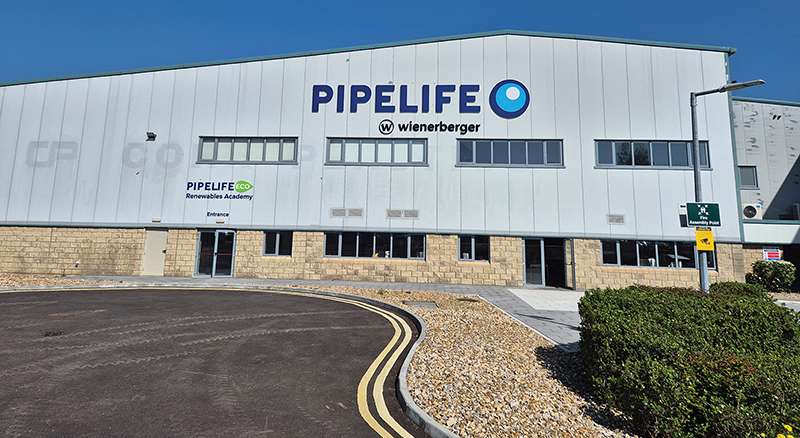
The labour challenge is less about overall numbers and more about specialist capability. There is a clear shortage of installers trained on modern integrated electric systems, including heat pumps, MVHR and smart controls. This becomes more critical as systems become more complex and as the cost environment tightens. When margins are under pressure, the quality of installation and getting it right first time becomes even more important. We have responded by investing directly in training. Our Cork training centre is fully active and we are relaunching our Dublin facility with a mock apartment to support hands-on installer training. We see installer capability as a key delivery risk that can be actively managed through investment in training and closer engagement with the market.
What could the Government do to alleviate labour shortages in the construction sector?
Two areas would have a meaningful impact. First, increasing apprenticeship capacity and funding specifically within the building services trades. Plumbing, mechanical and renewable installation are where the skills gap is most acute and current capacity does not reflect the scale of housing delivery required. Second, recognising installer training as a critical part of housing infrastructure. In a more volatile cost environment, getting installation right first time is essential to avoid rework and additional cost pressure. Industry is already investing in training facilities and capability development. Greater alignment and partnership with the State would accelerate skills development, improve standards across the sector and support more efficient delivery of housing.
John Kelly, CEO, Suir Engineering
Are labour shortages affecting the number or quality of jobs you can take on?
Suir Engineering has developed an industry-leading apprenticeship training programme providing well trained, qualified and site ready professionals. All of our apprentices attend the Apprentice Centre of Excellence at Suir Engineering’s Citywest campus, which supports their training alongside their SOLAS approved training programmes. The state-of-the-art facility blends practical and classroom learning with dedicated trainers and mentors guiding apprentices throughout their four-year training. This, together with attractive pay, terms and conditions, helps us to attract the best talent in the industry.

We are cognisant however that as our business grows in line with the ongoing, substantial investments in our key sectors, pressure on the labour market will increase given Ireland’s full employment and competition for a finite talent pool.
What could the Government do to alleviate labour shortages in the construction sector?
There’s no simple single fix and any response has to be multi-faceted. In short that means attracting and training more people, including international talent, and fundamentally changing how construction is delivered so it requires fewer workers.
This can be achieved by driving productivity through Modern Methods of Construction (MMC), supporting offsite manufacturing and digital construction and reducing an over-reliance on on-site labour.
Is the fuel crisis affecting your ability to deliver key projects?
Despite seeing our fuel costs rise by 30% in the last month and 50% year on year, there is no impact on Suir Engineering’s ability to deliver on projects. We operate a fleet of nearly 300 vehicles and have already begun transitioning to electric vehicles (EVs). This decision was made long before the recent Middle Eastern conflict and forms part of our broader ESG strategy. In hindsight, it has proven to be a timely and prudent move. In terms of materials, key inputs such as copper cabling, steel and aluminium for current projects were largely procured prior to the onset of the conflict and as a result, these projects have not been impacted. However, looking ahead, we do anticipate upward pressure on tender pricing and overall project delivery costs. Suppliers are facing increased input costs and these will be passed on through the supply chain – a direct effect of the ongoing crisis.
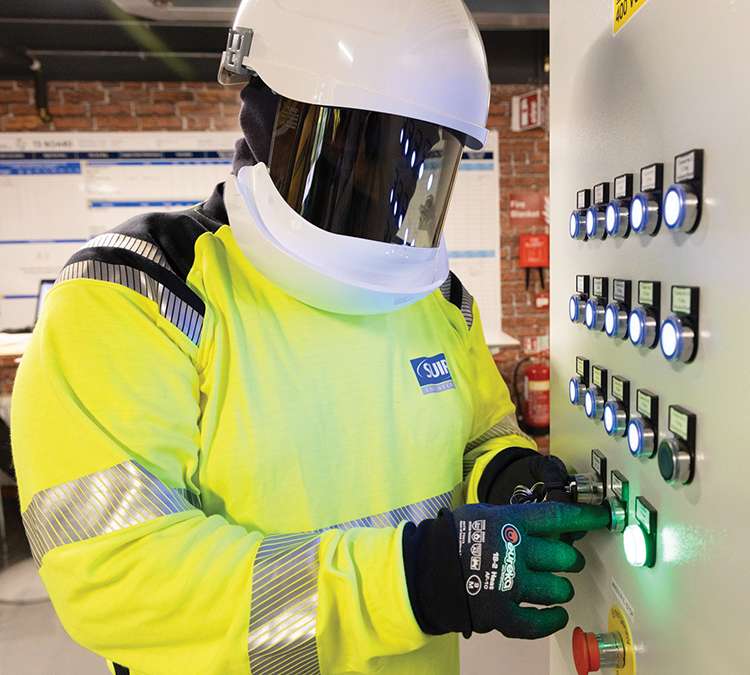
Suir Engineering, Citywest, Dublin.
What do you expect the long-term impact will be?
In the longer term, the conflict is likely to drive sustained increases in both material and subcontractor costs, alongside higher travel and logistics expenses, particularly given Suir Engineering’s international footprint. There is also a risk of a temporary slowdown in demand as some clients delay investment decisions. However, given Suir Engineering’s strong position in critical infrastructure projects in the data centre and energy sectors, any significant downturn appears unlikely. Without effective mitigation strategies, these pressures could translate into tighter margins and heightened commercial risk, so we continue to monitor the situation closely.
______________________________________________________________________________________
Michael McDonnell Managing Editor of Irish Construction Industry Magazine & Plan Magazine