BREAKING DOWN BARRIERS
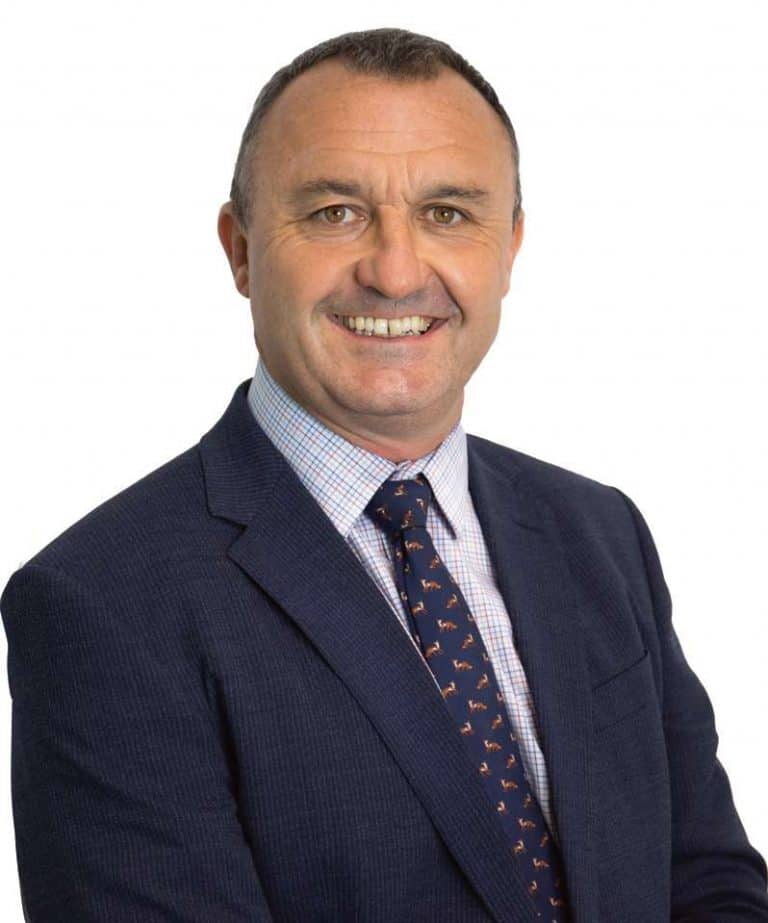
John Hannigan, CEO at Circle Voluntary Housing Association, chats about the potential of award-winning projects like Richmond Place and the obstacles around
housing delivery
Congratulations on the award at the ICSH IPB Community Housing Awards for Richmond Place in Inchicore
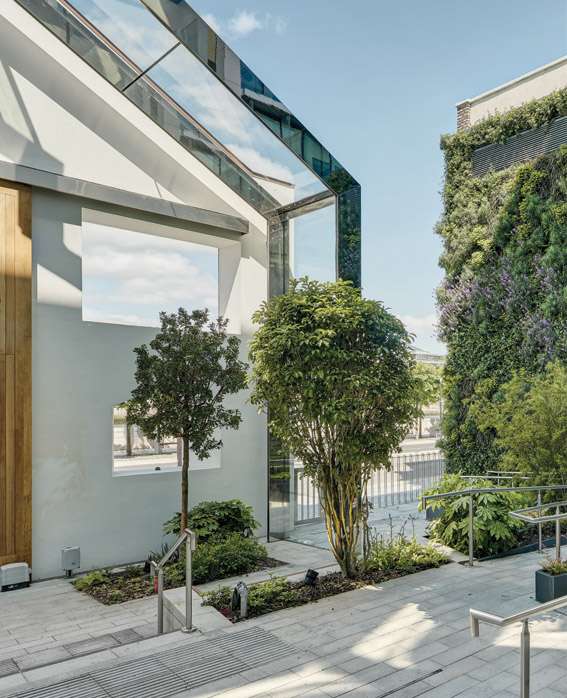
Thank you, we’re delighted. We won the Overall Winner award and also the award for Large Regeneration project. It’s a project that consists of 52 apartments, aimed at people over the age of 60 who have an ongoing form of health support requirement. It’s really a unique pathfinder project designed by OBFA Architects that’s brought together key stakeholders from Circle, ALONE, Dublin City Council, the Department of Health – Ireland (DOH), the Department of Housing, Local Government and Heritage, the HSE, the Irish Council for Social Housing (ICSH) and Age Friendly Ireland. There are no homes like it anywhere in the country – none with 24/7 medical support on site and the opportunity to stay in the home longer than you would in a standard nursing home.
 How does it work?
We own the property and we manage it from a landlord perspective. We designed and built it, in conjunction with our partners at ALONE, who are providing the day-to-day medical services in conjunction with the HSE. At this point, we’ve won two important awards and we were also a runner-up in the RIAI Design Awards.
A total of 69 people are living there at the moment, most of whom are from the immediate Dublin 8 area. It’s also unique in how it’s let; most schemes that are built under the Capital Assistance Scheme (CAS) are fully nominated by the local authority. That’s also the case with Richmond Place, but we also have people who were on the financial contribution process, which is where Dublin City Council buys people’s homes so they can right-size more property. That home then becomes available for social housing as well.
Is this also a unique project for Circle?
Yes it is and for several reasons. One is that it had zero objections or zero observations. That was because we ran quite a number of public consultations where we brought local people in. We showed them all the plans, we explained what we were doing. We talked about the eligibility of people from the area to live there. As a result, it went smoothly through the planning process. Even so, Richmond Place has been a long time in the making; it took over 12 years to make it a reality. There were a number of reasons for that.
What were those reasons?
One was the amount of consultation that was required in order to get the right model and to actually build that model from scratch. We spoke to a huge amount of people who might live there in the future, geriatricians who worked with older people, occupational therapists and health specialists. We also had a steering group that consisted of people from the Department of Health, Department of Housing, HSE, the Irish Council for Social Housing, Alone, Circle and Age Action Ireland – at one point, we had up to 39 people in the steering committee.
That took a lot of time. Another reason is that the CAS financial model isn’t ideal for this type of project. It’s quite inflexible. The project was also built during Covid so that contributed to the delay.
Is it a model that could be replicated?
It could be, but not with the CAS funding model. We have been talking to the Department of Housing and the Department of Finance about adjusting the model to allow it to be replicated, so we’re hopeful about that.
With numerous awards under your belt, is there a feeling of gratification?
There is, but what’s really energising about the whole thing is when you hear tenants talk about it. One thing that helped us win the award was a video we put together that featured six tenants describing how living at Richmond Place has changed their lives, even in a short period of time. They talked about their sense of well-being, security, of being cared for and having the freedom to live the way they want to live. We feel very privileged to have been part of that process.
There’s a sense that innovation is missing from Ireland’s housing sector. Do you think Richmond Place is the exception?
Yes, but these types of projects are possible. This project is a pathfinder – it has created a pathway to replication. It can be done again and if it’s done with care and attention, then you’ll see these projects being replicated all over the country. They’re a great model, they really do work. They will also keep people out of nursing homes much longer, which is a massive saving to the State.
What projects are you working on at the moment?
We have about 2,500 homes in our pipeline at the moment, right across Ireland. We’re predominantly focusing on general needs, but we also have some schemes that we’re working in partnership with, for example, disability organisations.
We work with homeless organisations too. I think one of the things that we’re going to see in the future is larger associations paying more attention to specialised housing. Along with the Department of Housing, we’re seeing a lot of people coming out of homelessness or rough sleeping, or older people that are not being catered for.

What are some of the obstacles to delivering that pipeline?
The planning process is always an issue. Utility connections and availability are a concern and in some cases, a blockage. Finance from the State slowed down last October until mid-June this year and that caused a lag in projects. We’re waiting to see what the National Housing Plan looks like – we were promised it back in July and we still haven’t seen it. So there’s a bit of uncertainty around the policy elements of that at the moment. Investment in infrastructure is also crucial. If we can get investment in housing and infrastructure running in tandem, then I think there’s an opportunity to get close to some of the targets being set.
If you were in Government, what changes would you make to accelerate housing delivery?
The Government may say they’re already doing this, but I would foster a stable policy environment. What they have been doing is tweaking certain elements and trying to make improvements. While that’s understandable, it’s slowing down the delivery of homes. If I was in Government, I would put the policy in place and leave both the public and private sector to get on with delivery. I would also make planning an executive function of a national body tasked with looking after planning for the country, particularly around strategic infrastructure.
That’s not to say that I don’t trust counsellors with that job – but I believe that our planning system needs to be improved. Appeals and judicial reviews are impeding the delivery of social and strategic infrastructure and that needs to be limited.
Are you confident that will happen?
No, I’m not. Unfortunately, I think our politics is still too strong for that change to be made. I think we’ll do lots of other things, but that change won’t happen for a long time.
Is it quicker to get projects completed on the private side as opposed to the public?
It’s probably equally as difficult. I think we have gotten into a culture of saying no because it’s the easier and safer option. We need to be more open to change and to strategic infrastructure, in particular. Sometimes a little bit of risk is required.
What are your ambitions over the next five years?
First of all, I’d like to see more Housing with Supports rolled out across the country. We’ve set a target of delivering at least 1,000 homes in the next two and a half years and we’re committed to making that happen. The other factor that perhaps doesn’t get talked about enough is the environmental targets that we have to meet by 2030 and also 2050. I’d like to see us make more of an inroad into that. We have an investment process that allows us to upgrade our properties on a regular basis and we want to make a real impact with that. I would also love to see local authorities do what they do best – be strategic enablers and let the approved housing bodies, the LDA and the private sector get on with the actual delivery of homes.
_____________________________________________________________________________________________________________________________
Michael McDonnell Managing Editor of Irish Construction Industry Magazine & Plan Magazine